Hydrogen electrolysis
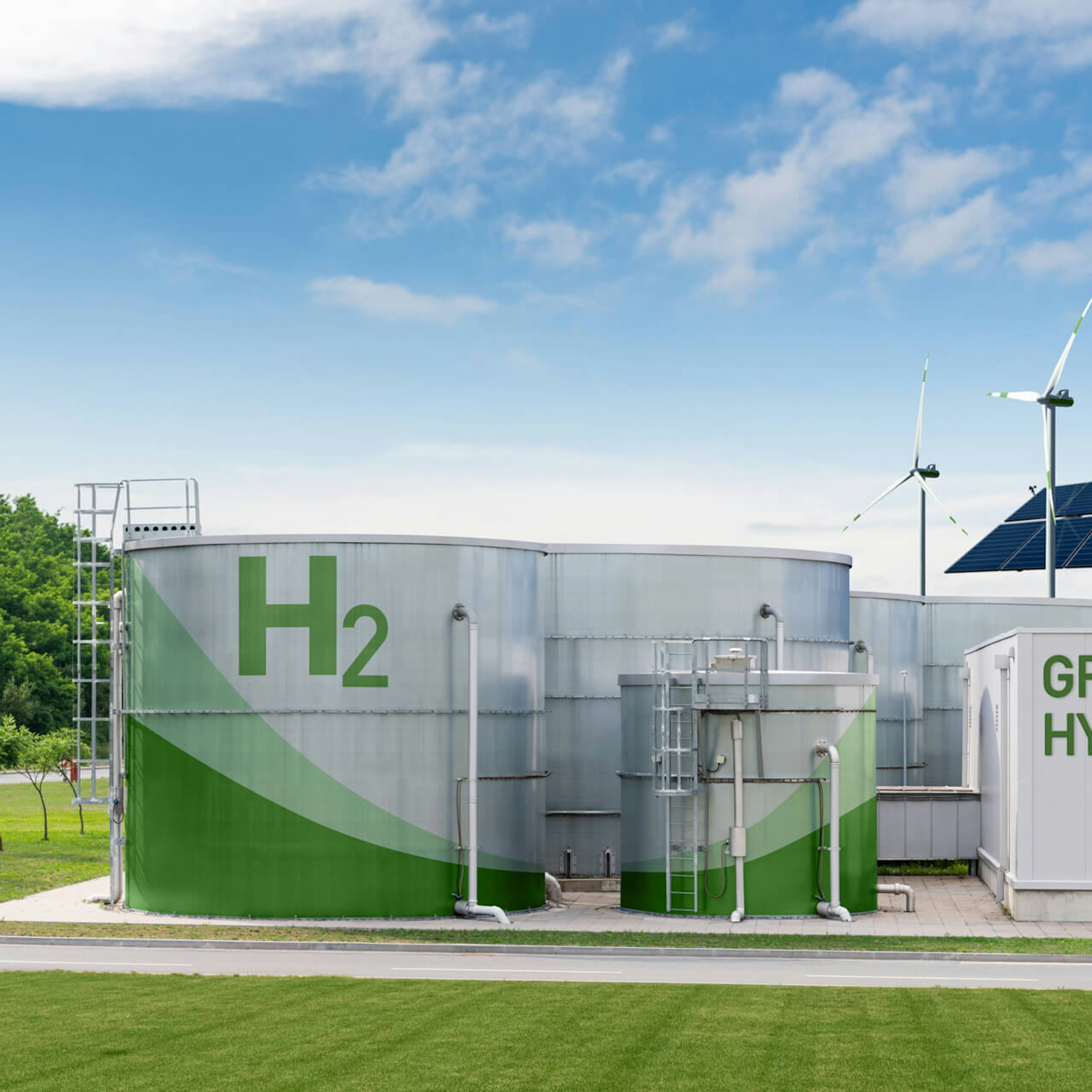
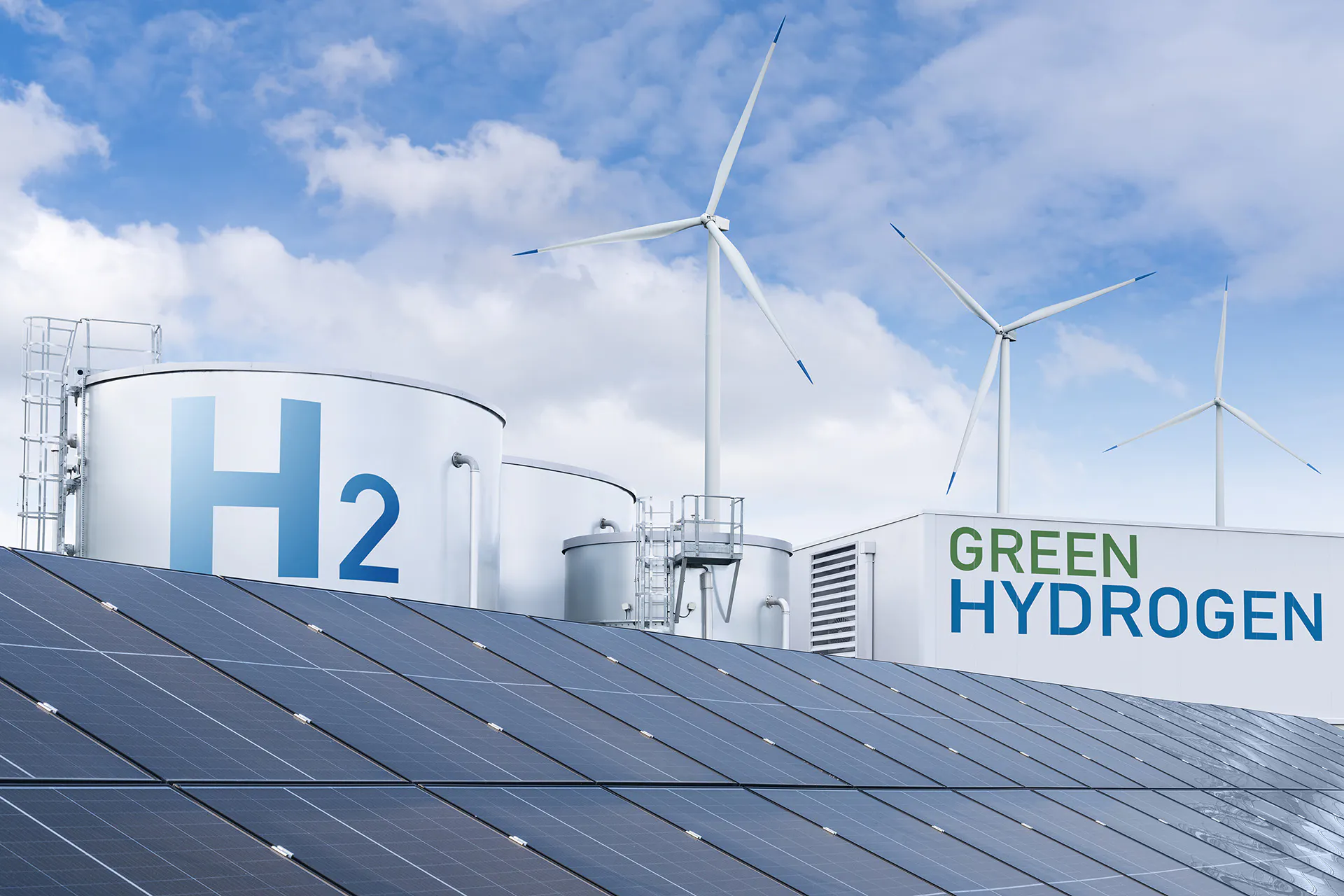
Stable DC output, dynamic control, and modular scalability make IKraft well suited for electrolyzer installations ranging from single units to multi-megawatt systems.
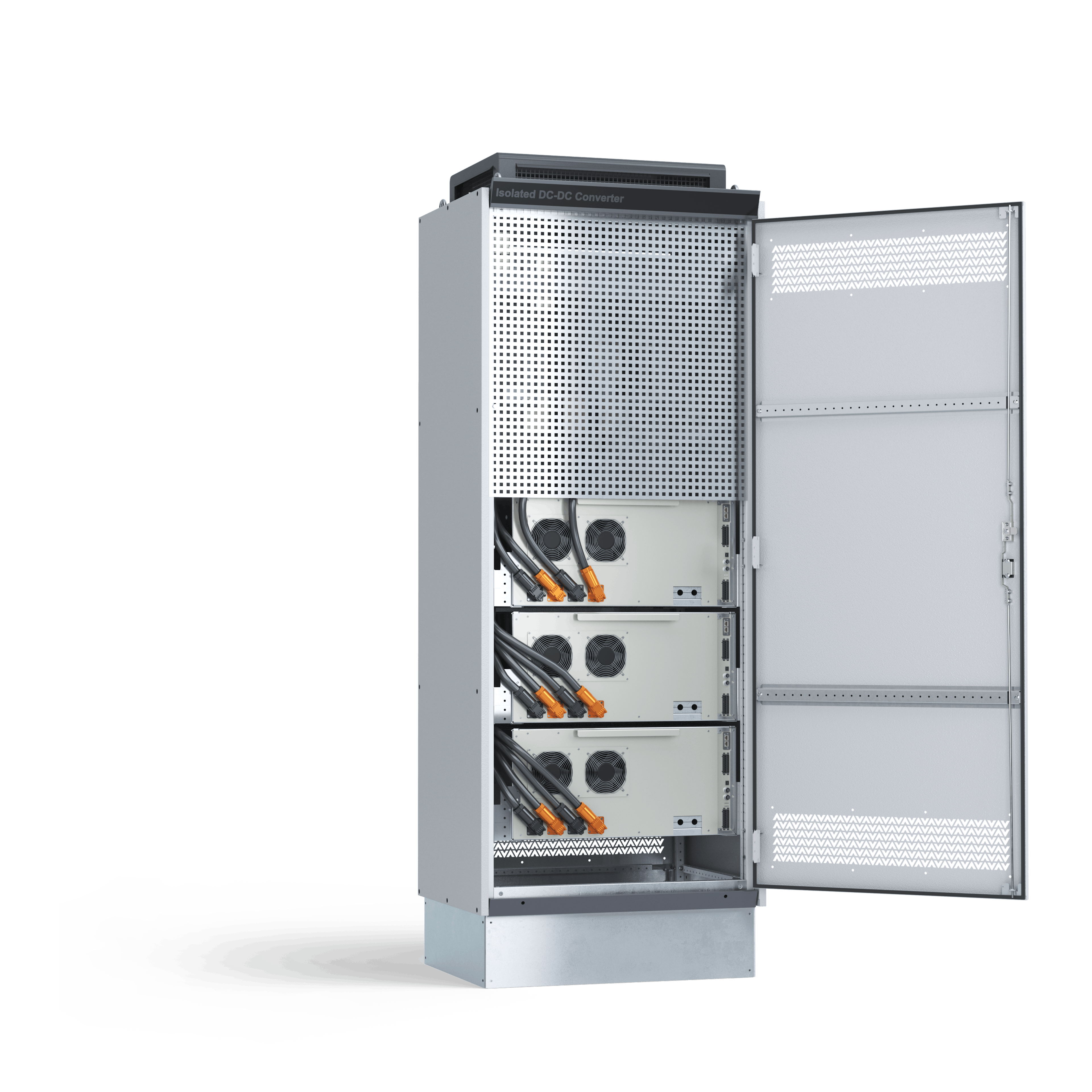
IKraft™ is a modular IGBT active front end rectifier designed for demanding DC power applications where efficiency, controllability, grid performance, and scalability are critical. It converts AC power into high-quality DC power with low losses, stable current control, and strong power quality, supporting flexible plant design from individual 690 kW modules to multi-megawatt installations. Hydrogen electrolysis is one important application area, alongside emerging AI/data-center power architectures, fuel cell systems, and other high-power industrial processes.
for demanding loads
across varying power demand
during grid or system deviations
IKraft is an active front end, IGBT-based power supply designed for demanding DC applications. It delivers high-quality DC output with low losses under varying load conditions. Its modular architecture enables scalable, application-specific system design and can reduce the need for additional power quality equipment.
Each IKraft module provides 690 kW and can be configured into clusters of up to 8 modules, enabling up to 5 MW per cluster. Multiple clusters can then be combined for higher plant power. This modular architecture gives project teams more freedom to match rectifier capacity to application requirements, simplify transformer design, and scale installed power over time.
Applications
IKraft supports high-power DC applications where efficiency, controllability, scalability, and strong grid performance are critical. Hydrogen electrolysis is one important application area, alongside emerging AI / data center power architectures, fuel cell systems, and other high-power DC processes.
Stable DC output, dynamic control, and modular scalability make IKraft well suited for electrolyzer installations ranging from single units to multi-megawatt systems.

Relevant for emerging high-power DC infrastructures, including 800 VDC-oriented architectures where efficiency, power quality, and scalable system design are increasingly important.
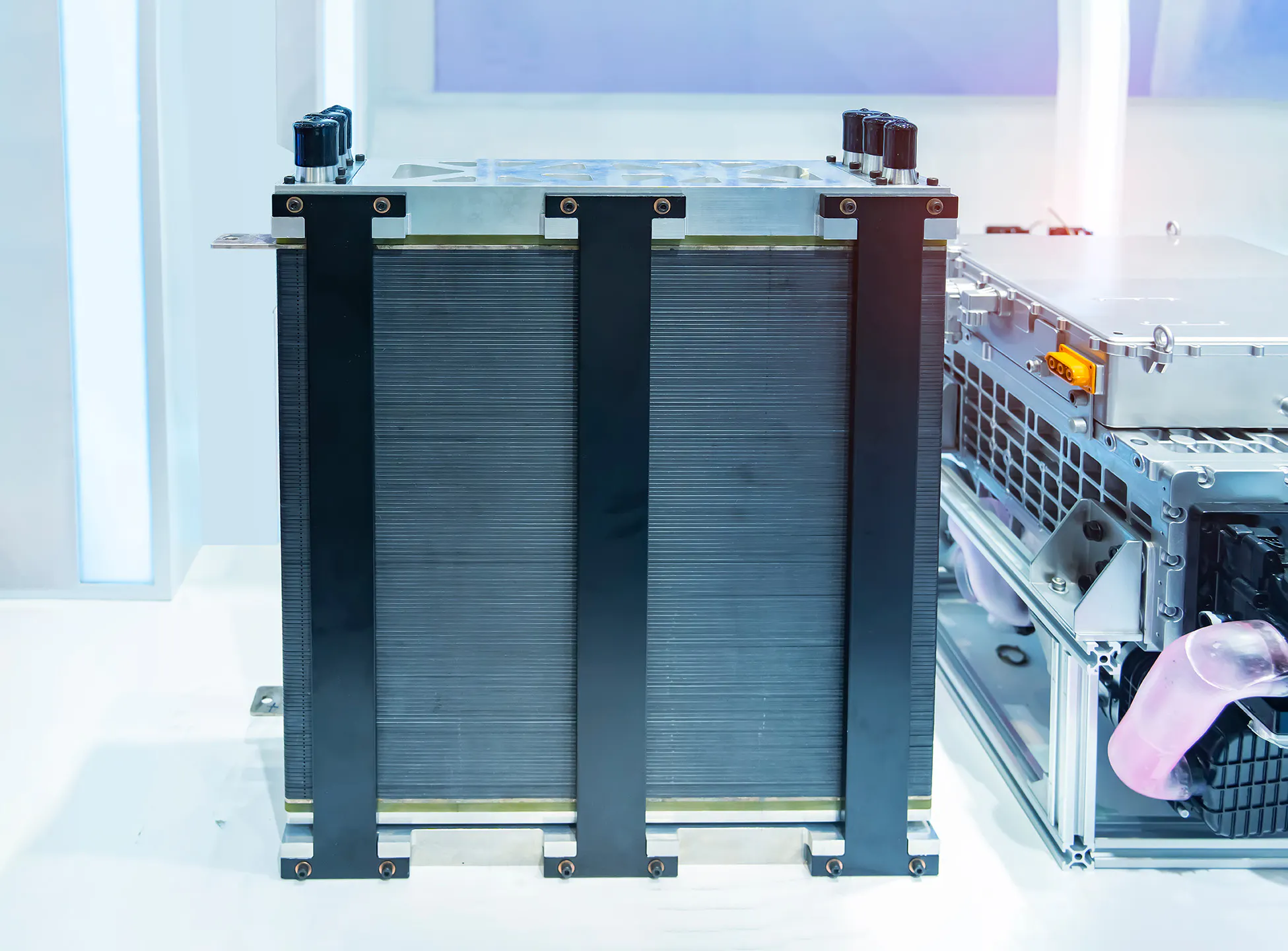
IKraft supports demanding fuel cell environments that require reliable DC power, flexible system integration, and robust performance under varying operating conditions.
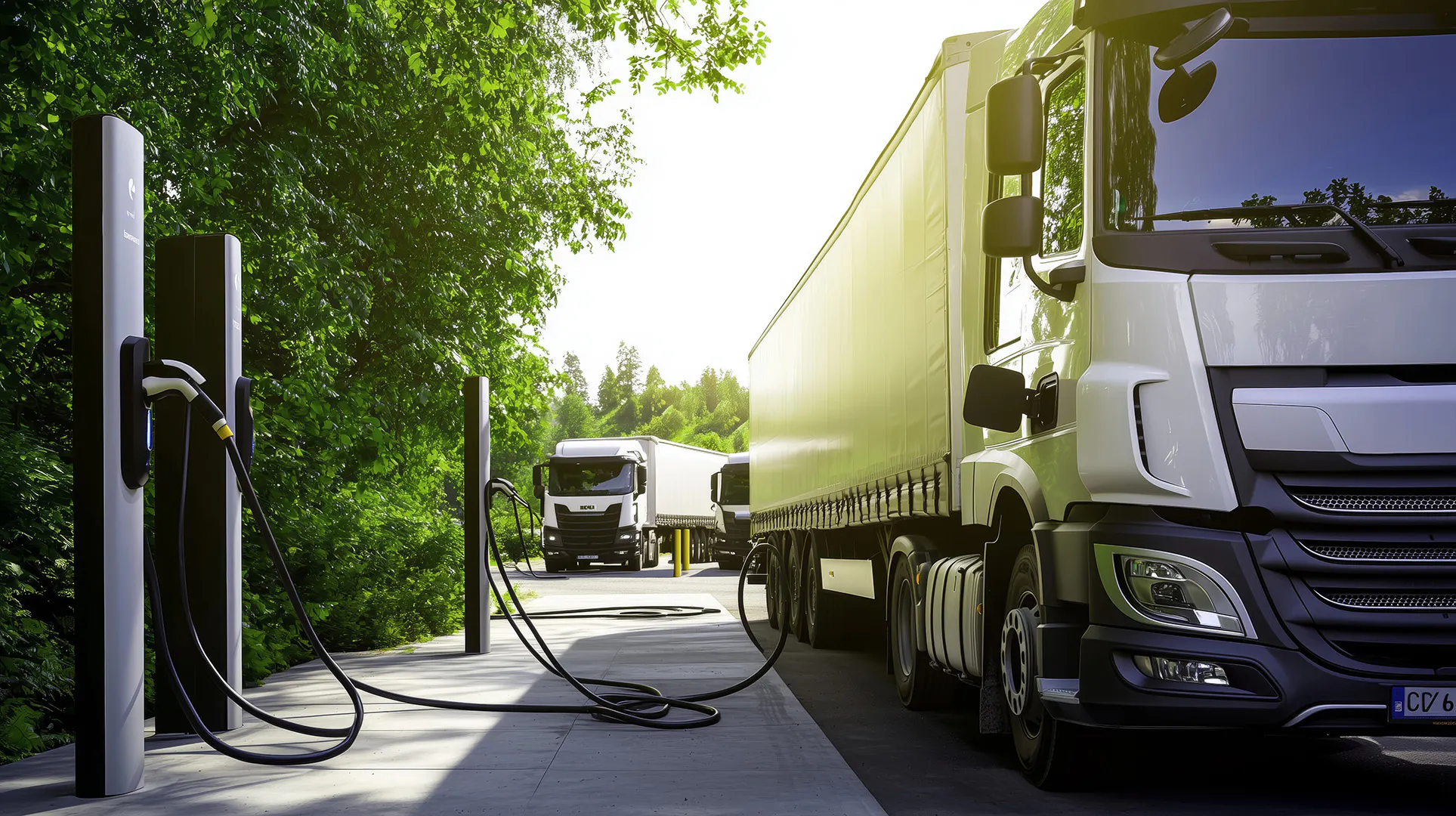
The modular active front end design is also relevant for other demanding DC applications, including industrial electrochemical processes and vehicle fast charging.
Fill out this simple form and receive a copy of your IKraft datasheet.
Hydrogen electrolysis is one of IKraft’s established application areas. Over the years we have worked with leading equipment producers for hydrogen production including: NEL Hydrogen, Air Liquide, Proton on Site, Cumberland, Siemens, Linde, Elchemtech, HyET Hydrogen, Titan.
Demanding DC applications place high requirements on power quality, controllability, efficiency, and grid interaction. IKraft uses active front end IGBT technology to deliver smooth, controllable DC output while supporting dynamic operating conditions on the AC side. This can help reduce the need for additional equipment to meet project-specific grid and power quality requirements.
2025.10.06
We are excited to announce that KraftPowercon will participate in Hydrogen Expo 2025 in Hamburg.
2023.09.13
Business Sweden has been busy helping KraftPowercon to open more doors to green opportunities around the world. Here a look at wha...
2022.03.16
Robert Beach
Marco Monzani has always been passionate about technology and people. So much so that he decided to pursue a career in engineering...